Picking the right season for your African safari from Dubai is essential to maximize wildlife sightings and enjoy comfortable weather throughout your trip. Understanding Africa’s climate and the timing of incredible events like the Great Migration helps you plan for an unforgettable experience.
Africa’s Two Main Seasons: Dry and Wet
- Dry Season (June to October):
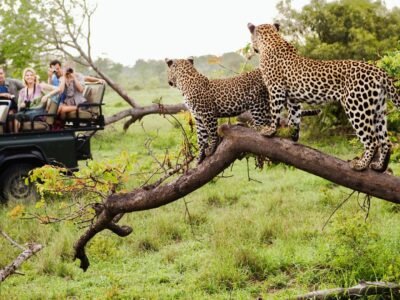
This is the most popular safari period. Animals gather around waterholes, making game drives more rewarding. The skies are clear, and temperatures are moderate, though early mornings and evenings can be chilly. This season includes the best time to witness the Great Migration river crossings in Kenya’s Maasai Mara. - Wet Season (November to May):
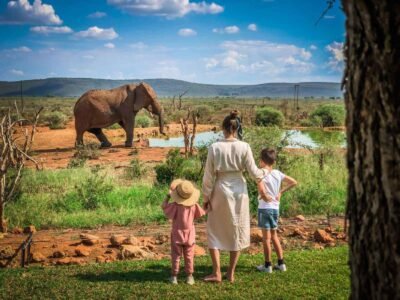
Characterized by short and long rains, the wet season transforms landscapes into lush, vibrant scenes. It’s an ideal time for bird watchers and those who want to experience newborn animals and fewer tourists. Roads may get muddy, and some lodges or camps could be less accessible. May is a good month that balances greenery with relatively good weather.
The Great Migration Timeline
- Kenya (Maasai Mara): July to October is peak migration viewing, especially dramatic river crossings.
- Tanzania (Serengeti): December to March sees birthing and calving season.
Practical Tips for Dubai Travelers
- Dress in layers: temperatures vary between cool mornings and warm afternoons.
- Book your safari well in advance for the dry season to secure the best camps.
- Consider the green season for lower prices and a quieter, greener safari environment.
- Avoid the peak of rainy season if you dislike travel interruptions or muddy roads.